Sunday, June 5, 2011

Filmmaker's Journal: SCUBA Show indicates renewed life in ocean sport

Yesterday, I spent the day and evening at the SCUBA Show in Long Beach, California. This is one of the, if not the, largest recreational scuba diving show open to the public. For me, as a diver and filmmaker, it's an opportunity to see the latest toys, bells, and whistles to carry under water. It's also an opportunity to meet up with many of the friends and leaders in the scuba diving industry, from manufacturers to island resorts.

Judging by what I saw yesterday (the show runs for the entire June 4-5 weekend), business is beginning to pick up. The dive travel industry, like so many other disposable income activities, took a severe hit with the economic downturn. But with the slight (albeit very slight) improvement that has occurred with the economy - and, probably more importantly, with consumers finally saying enough is enough with all this doom and gloom - there appeared to be more people willing to get back in the water, whether it's locally or via some exotic destination.

It could be an advantageous time for the consumer as we are not out of the woods yet, economically speaking, so retailers and resorts are offering some pretty amazing deals. Not to get totally off-subject, but it seems that while many look to Wall Street or the government or industry to turn things around, we must not forget the mindset of the consumer. Throughout this entire financial crisis, everyone pulled back on spending as well they should. And as much as Wall Street's ups and downs are often motivated by attitude, so it is with the general public. So there is some evidence that we are beginning to peek out of our shells and show some willingness toward prudent consumption that will hopefully stimulate the economy. What I saw at the SCUBA Show was, perhaps, a small indication.

However, back to scuba diving. Two noticeable trends I saw was a greater proliferation of simple, easy-to-use underwater camera systems that deliver some terrific results. Many of the cameras provide both still and video (although they're a long ways from broadcast-quality video, so I don't think my skills will be put out to pasture just yet). But there are some amazing systems that can provide divers with wonderful digital memories of their dive travel experiences.

Also, technical diving is making more inroads into the general diver populace, particularly in the area of closed circuit rebreathers. These are diving systems that recirculate and clean the carbon dioxide from your exhalation, adding in the required amount of pure oxygen to replenish what you consumed. What this provides then is extended depth and bottom time - and no
bubbles. For photographers and vidoeographers, the advantage to having no bubbles can be very significant. With surrounding sealife, the standard scuba system is quite a disturbing noise-maker, with bubbles being exhaled into the water with each breath. Rebreathers often allow divers to get much closer to fish and other sealife, with provides for better photo and video opportunities.

Closed circuit rebreathers are much more technically advanced than the standard scuba unit (and if not properly maintained or operated, can be quite dangerous), but as with any technology, advances have been made to make them safe enough that they are now making more inroads into the general diving community and not just restricted to advance technical divers or professional photographers and filmmakers.

The SCUBA Show in Long Beach will be concluding today, just in time for a change to summer weather - which will bring out the local California divers. If you are a certified scuba diver anywhere in the world, I would suggest dusting off your gear, checking in with your local scuba dive store retailer, and getting back in the water. If you are a non-diver considering the sport, now may be a great time to get started. It's a great way to remind yourself as to what makes the oceans so special and why we need to dedicate our energies to preserving them for generations of divers to come.

Wednesday, June 1, 2011

Africa's Masai Mara Reserve: study shows alarming decline in wildlife

Ocean conservationists often talk of how commercial activities impact marine environments to where species populations are brought to a tipping point, when the steady decline in numbers can reach a point of sudden collapse. From sharks to coral reefs, species after species are being impacted by commercial fishing, urban development, or other human activities and, left unchecked, could lead to dire and irreversible consequences.

This is not a scenario exclusive or unique to the oceans. In Kenya, within the Masai Mara reserve, a similar situation is taking place which has brought about a crash in the wild animal populations over the past 30 years. According to a study recently published in Journal of Zoology, researchers have determined that the number of impala, warthog, giraffe, topi, and hartebeest have declined by over 70%. Where huge herds of wildebeest would migrate from the Serengeti through the Mara region, their numbers have now dropped by 64% and the reserve's resident wildebeest population during the wet season has effectively disappeared, declining by as much as 97%.


"We were very surprised by what we found," said Dr. Joseph Ogutu from the University of Hohenheim, Germany and who headed up the study. "The Mara has lost more than two thirds of its wildlife."

In reaching their conclusions, the researchers combed through aerial photographs and monitoring data of animal herds and populations dating back to 1977. Over this 33-year period, they saw, among the 12 species of large animals, ostriches, and livestock studied, a drastic, relentless, and unexpected decline. Only a few species either within the reserve or just outside of its boundaries managed to maintain their numbers or show slight improvement. Since a major conservation effort was begun at the start of 2000, the researchers anticipated much greater improvement in the animal populations. But such was not the case.

To be sure, poaching has played a significant role in the decline, as it has in many developing nations. According to the BBC news,
over 1500 poachers have been arrested within the Mara conservancy between 2001 and 2010, with more than 17,300 snares collected by rangers in the same period.

However, in addition to poaching, cattle grazing has played as great, if not greater, a role. The expansion of land used by ranchers for grazing, both within the reserve and outside its borders, has diminished the size and quality of wild animal habitat.


"Not only have numbers of cattle, sheep and goats increased but their distribution has widened, with the density of cattle increasing more than three-fold and that of sheep and goats more than seven fold up to 5km inside the reserve," Dr. Ogutu noted. "Sadly though, wildlife distribution has contracted throughout the entire Mara region in the same period."

Overgrazing impacts the natural fauna which can spill over into the remaining open land. The wild animal populations of the Mara region and, indeed, of all of Kenya, have evolved based on available area, quality of grazing land and food sources, and the animals' reproductive rates - all combine to make for a stable population. So, to put it simply, if you take away half the land, the animal population does not simply adjust and reduce itself by half. Instead, the once balanced system begins to collapse.


Just as industrial overfishing and degradation of marine habitat from development and population, when left unchecked or unregulated, can threaten marine ecosystems, so it is on the dry savannas of Kenya that poaching and expanding ranch land can threaten the rich animal diversity and expansive herds we have always come to associate with Africa.


The BBC News noted, "The expansion of settlements, fences and livestock numbers need to be regulated if these declines in wildlife are to be arrested, the researchers proposed, as well as bringing down poaching levels."

"Otherwise, the status of Masai Mara as a prime conservation area and premier tourist draw card in Kenya may soon be in jeopardy," said Dr Ogutu.

Tuesday, May 31, 2011

Marine Mammals and Climate Change: study looks at win some/lose some in biodiversity

According to predictive models from a recent study on marine mammal biodiversity and the impact of climate change, cetaceans (whales and dolphins) and pinnipeds (seals and sea lions) are faced with a win some, lose some future.

The study, recently published in the online scientific journal PLoS ONE, was a collaboration of US, Canadian, and Brazilian researchers, headed up by Dr. Kristin Kaschner of the University of Freiburg, Germany. According to Science Daily, the team produced predictions of patterns of global marine mammal biodiversity using a species distribution model which incorporated oceanographic data such as water depth, sea surface temperature, and sea ice concentration as well as information on marine mammal species occurrence. They then investigated and modeled the effects of global warming on individual species' distributions and biodiversity hotspots by the year 2050 based on an intermediate climate change scenario.

The researchers found that there was a higher concentration of marine mammal biodiversity in the temperate waters of the southern hemisphere. In addition, there are marine mammal diversity "hot spots" along the coast of Japan, northern New Zealand, the Pacific Coast of North America, and the polar regions. And while climate change may alter the environment over the next 40 years, the overall distribution of marine mammals will stay fairly constant, according to the study's predictions. That's the "win some."

However, the "lose some" entails more losses with specific species and also biodiversity shifts in the polar regions where there are fewer species - and of those species most are less amenable to a changing climate. The study concluded that there could be a loss of as much as 80% in local species in areas like the Arctic and Antarctic, while biodiversity distribution for species in more temperate and tropical climates could actually increase significantly.

So what does this all mean? Well, marine mammals are not isolated or inconsequential animals in the seas. They play an important role in maintaining a healthy marine food web, so where they are and where they might cease to be in the future can be very important in determining marine areas of concern for conservation. In considering potential marine protected areas (MPAs), it is vital that climate change and its impact on biodiversity, now and in the future, be a key component. Knowing where the marine mammal hotspots or prime distribution areas are and how they might change in the years to come, will allow governments and international agencies to make sound decisions as we all press for more and more MPAs to preserve our ocean resources.

Read about the study in Science Daily.

Monday, May 30, 2011

Blue Vision Summit 3: interview with organizer David Helvarg on ocean conference

The third Blue Vision Summit, which recently concluded in Washington, DC, brought together a diverse group of participants, ranging from noted ocean conservationists and scientists like Dr. Sylvia Earle and David Guggenheim, to government and regulatory agency representatives like NOAA head Dr. Jane Lubchenco and US Senator Sheldon Whitehouse, to a host of filmmakers, artists, and concerned citizen groups.

These are people who, for the most part, know the issues at hand regarding ocean conservation; they are more interested in where we stand regarding solutions. Presentations and discussion panels were held that covered pressing ocean issues from a more policy and politics perspective. The two days of meetings and solution-oriented discussion were offset by more social events in the evening, including the Peter Benchley Awards Ceremony, presented to outstanding individuals in several categories - some of which included ocean science, policy, and youth activism. (Unbeknown to much of the general public, Peter Benchley, following the success of Jaws and seeing the misconceptions it fostered with the general public, devoted a large part of the remainder of his career to ocean and shark conservation.)

As an attendee, I found the Blue Vision Summit to be both a source of optimism and concern. There is progress being made on a variety of specific issues. However, the wheels of governmental progress move agonizingly slow and those involved and committed to ocean conservation must contend with the economic pressures and interests that can often prevent policy makers from making thoughtful long-term decisions regarding our marine resources - the Gulf of Mexico, ravaged by two hurricanes, a major oil spill, and now flooding from the Mississippi River, being a prime example. My hat is off to those who are relentless in their assault on Washington and other centers of government worldwide in defense of the seas.

To best summarize the event, I interviewed the architect behind the Blue Vision Summits, David Helvarg, director of the Blue Frontier Campaign.

RTSea: What was the genesis of the Blue Vision Summits?

DH: Shortly after I wrote my book Blue Frontier I was asked to speak to 1,000 ocean agency and academic types who meet regularly to discuss the status of ocean management. Afterwards, I thought that if you could get an equal number of "seaweed rebels" together you might really turn the tide. In 2003, I recycled my book into the non-profit Blue Frontier Campaign (BFC) hoping to provide an umbrella for local, regional and national groups in the U.S. and in 2004 we had our first Blue Vision Summit in Washington, DC with 250 folks.

RTSea: The timing for the three summits has been spaced out – 2004, 2009, 2011. Why is that?

DH: 2004 was timed to 2 major ocean commissions, the Pew Ocean Commission headed by Leon Panetta that reported in 2003 and the Bush Appointed U.S. Commission on Ocean Policy that reported in 2004. They both suggested that the ecological collapse of our public seas posed a threat to our economy, environment and security and offered a host of solutions. We hoped to spark a BOB ("Big Ocean Bill") as Rep. Sam Farr referred to it, similar to the Clean Air and Clean Water acts of the 20th Century.

For the next 5 years, BFC continued to work on policy, journalistic reporting on the seas - including publication of the book
50 Ways to Save the Ocean, - and regional efforts. With the arrival of the Obama Administration we thought we had another chance to bring the ocean
constituency together and more than 400 attended BVS2 two months after the inauguration. Out of that we saw a lot of momentum around a National Ocean Policy and also established the Peter Benchley Ocean Awards as an annual event. Following the BP oil disaster that I covered in the Gulf and the President's signing off on a National Ocean Policy, we thought we needed another Summit to focus on restoring the Gulf and implementing the Policy. If there is enough marine community support we will try and make the Summits a biannual (every other year) event.

RTSea: One of the key topics of this year’s summit was the legacy of the Gulf of Mexico’s Deepwater Horizon oil spill. Not to downplay that environmental disaster, but why the emphasis?

DH: After Hurricanes Katrina and Rita, the BP oil spill was just the latest insult to an ocean basin that has come to be seen as a national sacrifice area in terms of reckless exploitation. What the Summit focused on both in the "Voices of the Gulf" Plenary organized by the Gulf Restoration Network and the federal panel including NOAA's Jane Lubchenco and Admiral Thad Allen is that, along with low probability/high impact disasters like BP, we have to begin restoration efforts aimed at loss of wetlands, climate change impacts, pollution and a range of ongoing and cascading disasters that are being felt not only in the Gulf but across our living seas.

RTSea: There was a range of responses from the audience, some quite passionate, regarding the oil spill and its aftermath. How do you think the panelists representing government agencies handled themselves and what are your views on government action – federal and state – today in dealing with the spill’s after-affects?

DH: I think the government reps handled themselves well and expected a passionate response from Gulf residents and others. In fact, NOAA Administrator Jane Lubchenco sent me a positive note on how well she thought the panel she was on went. The larger federal response, unfortunately, has been to work on the impacts from the BP spill while still promoting expanded offshore deep-water drilling. We need to begin a serious effort to transition from fossil fuels. Any new platform is a commitment to at least 30 years of additional greenhouse gas pollution as well as potential marine pollution. The Gulf states' response to the spill has been to try and hoard as much of any settlement fund as they can for themselves individually as states. Until there is a regional commitment to a shared fund focused on restoring the ecosystem and not local infrastructures like roads and convention centers, the state response remains problematic.

RTSea: The Blue Vision Summit was held in Washington D.C. and there was a slant toward policy and regulatory issues. This may not seem particularly “sexy” to some ocean conservationists, but it is, I believe, where many maturing ocean conservation issues ultimately reach a “rubber meets the road” level and either accomplish something concrete or fall to the wayside. How do you see it?

DH: I liked the panel titled "Coastal and Marine Spatial Planning - What's in it for me?" Until local activists (and coastal businesses) working on a range of marine issues understand how a common-sense national ocean policy benefits them, we won't have a large enough constituency to take the President's good words off the paper he signed and put them into the water column. At the same time the feds should be aiming to catch up with solution-oriented policies already being practiced in Massachusetts, Rhode Island, on the West Coast, and elsewhere. They should be moving towards implementing the national ocean policy through designated regional ocean councils. Instead, I'm left with the strong impression that the administration doesn't want to do this until after the 2012 elections and are using some right-wing republicans opposition as an excuse for not moving aggressively.

RTSea: You mention “coastal and marine spatial planning” and this may be a new term to many people reading this. Can you explain what marine spatial planning is in more detail?

DH: Not the most elegant phrase - Coastal and Marine Spatial Planning (CMSP) is, in the words of Admiral Thad Allen (USCG Ret.), "putting urban planning in the water column." I'd conceive it as working with all the stakeholders in our public seas to clean up our watersheds, green our ports and coastal infrastructure, and designate offshore areas for shipping, clean energy, fishing, national defense, marine wilderness parks and wildlife migration corridors - recognizing that everything needs to be integrated in a way that preserves the ecological services and wild qualities of our seas. This common planning approach also increases regulatory certainty for industry, protects resource dependent jobs and strengthens nationals security since, if you have a better sense of where all the players are, its easier to identify the bad actors like pirates, poachers and terrorists.

RTSea: Shark conservation is reaching a similar point where the emotional issue over the brutality of shark finning has propelled a grass roots movement to a level where now we have legislation and international regulations being implemented or, at least, considered. But this brings in a whole new set of players and agendas into the game – the politicians, economic interests, lobbyists, etc. - to whom or which the morality of shark finning does not necessarily resonate and a different strategy or mindset on the part of the shark advocates is needed. Do you find that to be the case with other ocean issues?

DH: Ocean protection is about more than protecting the ecosystem, which you need a certain science grounding to understand. It is also about protecting the ecological services we all depend on. Fortunately, things like marine spatial planning are also complimentary to maritime domain awareness, a key element of national defense. And of course, the Summit also emphasized the links between a healthy ocean and healthy economy. The role of sharks as keystone species that keep reefs and other habitats as healthy sources of coastal protection and tourist revenues suggest other potential allies including the tourist and insurance industries.

RTSea: President Obama has laid the foundation for a U.S. Ocean Policy. But in your view, where do we stand right now and what needs to be done to bring about concrete change?

DH: We as a community need to work on two fronts - One, to make sure the administration moves forward with the regional implementation of the policy before the 2012 elections. At the same time we have to push back against the oil and gas industry and their front groups, like the National Ocean Policy Coalition whose purpose is to destroy the national ocean policy. When Rep. Doc Hastings (R-WA), whose major campaign contributor last year was the oil and gas industry, calls a common sense policy that will protect millions of jobs a "job killer," I'm reminded of Upton Sinclair when he wrote, "It's hard to understand something when your salary depends on your not understanding it."

RTSea: The Blue Vision Summit 3 culminated with a large group of participants meeting with government representatives at the Capitol building, a polite “storming of the Bastille” as it were. Meetings were scheduled with various senators and other officials. What were you hoping to accomplish and what were the results?

DH: We had over 70 meetings with Congressional staff and a few elected officials from many regions including the Gulf and the Rocky Mountain west (we had a contingent with us from the Colorado Ocean Coalition). We made a number of House and Senate offices aware of ocean policy and funding issues including the Ocean Trust Fund proposal introduced by Senator Sheldon Whitehouse (D-RI). In just one example of increasing understanding we met with staff from Senate Majority Leader Harry Reid's office. They commented on lack of communication issues between the White House and the Hill and said they were vaguely aware of the President's ocean policy but weren't clear who was behind it. We were able to explain that we were part of its constituency and provided the history and background of the policy that connected with their concerns.

RTSea: At the conference, it was mentioned that one of the problems with ocean conservation is that it does not have a constituency – at least one that government can or will respond to. There was an attempt circulating to form an Ocean Caucus. Can you explain what this is about and what it’s benefit would be?

DH: Senator Whitehouse (D-RI) is working with Senator Olympia Snowe (R-ME) and others to create a Senate Ocean Caucus similar to the bipartisan House Ocean Caucus to strengthen recognition among their fellow Senators that ocean issues are national issues and getting things right on our blue frontier is of concern to all Americans. By visiting our elected representatives on the Hill and in their home offices in their districts and states we seaweed (marine grassroots) folks at Blue Vision helped strengthen the position of our handful of ocean champions on the hill and hopefully have begun to elevate our public seas into the public policy arena, putting the blue back in our red, white and blue and impacting the larger blue planet beyond our 200 mile ocean borders.

RTSea: So, what’s next for David Helvarg?

DH: Along with the continued work of Blue Frontier including work with Associate Director Mary Kadzielski and our board of directors, I'll be getting back to researching my next book, Golden Shore - The Epic Tale of California and the Sea.


To learn more about the Blue Vision Summit, click here.

To learn more about the Blue Frontier Campaign, click here
.

Sunday, May 29, 2011

BLUE On Tour: a multi-media roadshow for ocean conservation

Proverb: "To know and not to do is not know."

Activists know this adage well. Ignorance may be bliss but, once you have the facts, you have the responsibility to not sit on your hands and do nothing. Ocean conservationists know this as well and strive not only to enlighten the decision makers and the general public as to the challenges threatening the seas but to express what needs to be done about it.

The BLUE Ocean Film Festival, based in Monterey, California, has in only two short years become a well-recognized and respected event that brings together wildlife filmmakers, ocean conservation leaders, and the general public in a multi-day event of moving imagery, insightful discussions, and the knowledge that says "you now know, so go and make a difference."

As valuable as this now bi-annual event is, Debbie and Charles Kinder, the festival's executive organizers, knew that something needed to be done in the interim, something proactive. BLUE On Tour was the result: a multi-media, educational traveling roadshow that takes the soul of the BLUE Ocean Film Festival and makes it available worldwide.


"BLUE On Tour is a traveling film festival and conservation event, making the world's greatest collection of ocean films available to communities and audiences around the world.

BLUE On Tour's goal is to use the power of film to INFORM millions of people around the globe about the importance of the ocean and INSPIRE action that leads a lasting commitment to ocean stewardship.

Empowerment, education and inspiration are the driving philosophy of the BLUE On Tour outreach initiative. We are excited to be able to provide the opportunity for each host to present their own tailored film festival event featuring customized selections from our extensive film catalog.

BLUE On Tour also provides access to the filmmakers, explorers and marine science experts who created these amazing films, which give us an awe-inspiring and informative window into the underwater world."
- From the BLUE On Tour website.

BLUE On Tour can be hosted by a variety of organizations: schools and universities, museums, libraries, community organizations, government agencies, non-profits and even retailers or other for-profit businesses - essentially anyone who wishes to educate and motivate others on marine environmental issues. There is a basic package which can be modified to meet the needs of an organization or event. As an example, Auburn University staged a three-day event in March that combined BLUE On Tour with master classes and panel discussions on ocean issues and a day set aside for just kids.

BLUE On Tour currently has a 2011-2012 schedule that includes Mexico, Washington D.C., New York City, Hawaii, El Salvador, Australia, and more. If you have an organization, small or large, that is interested in staging an ocean conservation event, I would strongly suggest you contact BLUE On Tour. They can help you in developing a successful celebration of the oceans that would enhance your organization, illuminate the minds of your community and, of course, benefit the oceans as well.

To learn more about BLUE On Tour, click here.
To learn more about the BLUE Ocean Film Festival,
click here.

Shark Night 3D: sharks once again villified on film for thrills

(Sigh...) As shark conservation continues to make progress on the legislative front with shark fin prohibitions passing in Hawaii and Washington state and moving forward in California and Oregon, there are always reminders that come along that misconceptions and myths can not only persist but they can be promoted for mindless entertainment.

Coming this September, from the people who brought you "Snakes on a Plane" and "Texas Chainsaw Massacre", we now have "Shark Night 3D" which follows the formula of previous teenage horror flicks - with hyper-hormoned guys and gals on a wild weekend retreat who find themselves gruesomely set upon not by psychotic Jason or Michael Meyers but by, you guessed it, sharks.

(Sigh...) The reality is that there will always be movies, television shows, and books that will always capitalize on primal fears of things that go bump in the night, no matter how misplaced or unfounded those fears might be. Lions, and tigers, and bears, oh my! And sharks, too. Unfortunately, these roller-coaster, cheap thrill forms of entertainment are often geared towards the most impressionable of minds, those who will leap out of their seats and spill their popcorn when the boogeyman suddenly pops out of the closet.

But it's those same impressionable minds that many ocean conservationists and shark advocates are trying to reach. I have often said, when speaking to groups about the need to protect sharks, that shark conservation is a tough sell. With centuries of demonizing sharks behind us to contend with, it may always be, at best, two steps forward and one step back.

Coming soon: Penguins Gone Bad. Kittens from Hell. Attack of the Alien Dolphin. All in 3D at a theater near you.

(Sigh...)


Thursday, May 26, 2011

Snow Leopard: international cooperation underway to protect endangered Asian cat

Even though my primary interests are with the seas and their future, from time to time I turn back towards land and some of the apex predators, like tigers and wolves, that have been threatened by the encroachment of civilization.

Tigers are particularly beautiful animals that are seriously endangered with numbers ranging in only a few thousand throughout India and southern China. However, there is another cat that lives in the harsh terrain of China, Mongolia and India that is equally as striking as the tiger and, unfortunately, also threatened with extinction: the snow leopard.

The snow leopard is a relative newcomer to the conservation scene, having only been first photographed in the wild in the 1970s, with concerted efforts to protect this animal starting a decade later. The target of poachers who value its fur on the black market, the snow leopard's population has been estimated to be as low as 3,500.

However, casting a ray of hope on the future of this feline predator, an international joint effort is getting underway to protect the snow leopard, bringing together several conservation
organizations from the United Kingdom and Asia. Involved in this effort is UK's Nature Conservation Foundation (NCF), the Whitley Fund for Nature (WFN), and the BBC Wildlife Fund (the BBC brought the snow leopard to the attention of television viewers with rare footage shot for the Planet Earth series). Also involved are the Snow Leopard Trust (SLT), the Snow Leopard Conservation Fund in Mongolia, and members of China's Peking University. It is hoped that through this concerted, cooperative strategy, progress can be achieved in environmental education, community‐based wildlife monitoring, anti‐poaching programs, and cross‐collaboration between regional and national government offices.

According to a recent press release, Dr. Charudutt Mishra, Trustee of NCF and Science and Conservation Director of the SLT, said “This is the first large, multi‐country project of its kind for snow leopards and it’s a huge leap forward for the species.”

Believing that global efforts like these to protect a keystone species can set the stage for international cooperation to protect other endangered species, Georgina Domberger, Director of WFN, said
“It’s great to say you’re going to protect an endangered species—but what does that mean? We can’t save all of them at once, but we are coming up with a way to protect some of the most important population centers we can, and then we hope to build outwards from there. We all love snow leopards for their beauty and charisma, and since they are at the top of the wildlife pyramid, we know helping them will help the entire ecosystem.”

Let's hope that through global cooperation, Ms. Domberger's assessment that we can't save all of the endangered species at once will only be a passing reality. Threatened and endangered species are a reflection of our fate as well. Perhaps we can't stop the theorized Sixth Great Extinction that is taking place because of the impact of humankind, but I would like to think that we could certainly slow it down a notch or two. I'm sure the snow leopard would appreciate it.

Wednesday, May 25, 2011

California Assembly Passes Shark Fin Prohibition: AB376 moves to the Senate

Shark conservation has taken a step forward right in my backyard. On Monday, the California assembly passed AB376 which prohibits the sale, distribution, and possession of shark fins. This is essentially the same legislation that was passed in Hawaii and Washington state and is making similar progress in Oregon.

Introduced by Assemblymembers Paul Fong (D-Cupertino) and Jared Huffman (D-San Rafael), the legislation was passed by a wide margin (62 to 8) and will now move on to the state Senate. If it succeeds in the Senate, it will most certainly by signed into law by Governor Brown, becoming effective on January 1, 2013.

But the measure did not progress without opposition. At the outset, opposing groups raised issues of cultural and ethnic prejudice. Since the vast majority of shark fin products are used in Asian markets for shark fin soup, the race card was heavily played by those representing either Asian constituencies or economic interests. However, opposition based on trumped up charges of racial discrimination did not dissuade Assemblymember Fong.

"I knew when I accepted the responsibility (of authoring this bill) - I weighed the cultural implications versus the environmental concerns, and the environmental issues outweighed the cultural," Assemblymember Fong said.

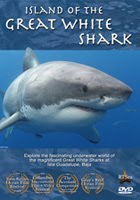
I had the pleasure of screening my documentary, Island of the Great White Shark, at the state Capitol two years ago at the invitation of Assemblymembers Jared Huffman and Nathan Fletcher as a fledgling precursor to the legislative achievement that has now been achieved. Assemblymember Huffman recognized the cultural shift that was being asked of the Asian community, where expensive shark fin soup is highly prized for special events and is often considered a sign of wealth or status. But he too felt that the environmental benefits outweighed the cultural ones.

“We have a role in helping our seas recover their balance - a role shared by our friends in Washington State, whose Governor signed a similar ban into law two weeks ago, and Oregon, which is considering a ban in its Legislature as we speak. Sharks belong at the top of the marine food web, and we can help restore them by passing AB 376,” said Assemblymember Huffman.

With passage of legislation in Hawaii, California, Washington, and Oregon, a major avenue in the eastern Pacific for shark fin distribution would be closed.

“Just as we banned the cultural tradition of foot binding, the tradition of eating shark fin soup served to show one’s affluence needs to end as well,” said Assemblymember Fong. “I am honored that the California State Assembly recognized what 76 percent of Californians and 70 percent of Chinese American voters in California have already recognized – that sharks are critical to the ocean’s health. Furthermore, our state and federal laws against finning are toothless in international waters – that’s why these efforts to stop the importation and demand here in California are so urgent.”

Supporters of the bill include The Asian Pacific American Ocean Harmony Alliance, actors Leonardo DiCaprio and Edward Norton, Master Chef Martin Yan, Chef Charles Phan of the Slanted Door, the Monterey Bay Aquarium, California Academy of Sciences, The Humane Society of the United States, WildAid, SeaStewards, Oceana, Natural Resources Defense Council, California Coastkeeper Alliance, Pacific Environment, Defenders of Wildlife, Environment California, Ocean Conservancy, Food Empowerment Project, and Heal the Bay.

However, while AB376 has now been passed by the state's lower house, the battle is far from over. Rest assured that opponents of the bill will double their efforts to prevent passage in the state Senate. So, if you are a California resident and you feel that preservation of one of the ocean's most vital predators is worthwhile, then please contact your local state Senator, urging them to support AB 376.

Click here to help find your local California state Senator's mailing address, email, and phone number.


Here is an interview by 8Asians.com with Assemblymember Fong discussing AB376:

Thursday, May 19, 2011

Shark Tagging Controversy: permits are being sought for a hotly contested technique

The controversy regarding shark researchers who were tagging great white sharks with satellite tags by virtue of a very elaborate and hotly contested technique just does not seem to want to go away. In part, that is due to the indignation of many shark advocates who feel that the sharks were unnecessarily exposed to risk that was not justified by the data that was obtained. And, in part, it is due to the hard line position taken by many of the participants involved and the government officials who provided the permits to allow it to take place.

While there were those who questioned the technique - hooking a white shark, tiring it out and hoisting it aboard the deck of a ship, bolting on a satellite tag, and hopefully releasing the animal unharmed in a matter of minutes, the situation became a major media disaster when one capture went terribly wrong and a white shark may have been traumatized and left mortally injured. A year later, the shark was videotaped looking emaciated and apparently severely injured from various shark bites. While some gave the lead shark researcher, Dr. Michael Domeier, the benefit of the doubt, others accused Domeier's technique of injuring the shark and setting it on a course of poor health and a bleak outlook.

Recently, San Francisco's ABC News station KGO-TV ran a report on the entire controversy as a follow up to the news that Michael Domeier had requested another permit from the National Marine Sanctuaries, which is entrusted with the conservation and protection of the great white sharks at Northern California's Farallon Islands.

Here's the report. You can make up your own mind as to what the future action of the government agency should be regarding permits. And, you can let your opinion be known to the Farallon Marine Sanctuary Superintendent Maria Brown at maria.brown@noaa.gov.


Tuesday, May 17, 2011

Blue Vision Summit 3: ocean conservationists bring the issues to Washington

Beginning this Friday, the third Blue Vision Summit will get underway in Washington D.C. Organized as a coming together of like-minded ocean conservationists and advocates, its goal is to focus on solutions to the many problems facing the ocean environment. With distinguished speakers and panelists, the summit runs through the weekend and culminates on Monday with a storming of the Bastille - actually a move to the halls of Congress to personally meet with legislators and discuss ocean issues.

I will be there, taking notes and meeting some new faces and catching up with some colleagues I have met before (You see? Not everybody stays in touch via Facebook!). There will be presentations and discussion groups on everything from acidification to ocean plastic to the aftermath and legacy of the Gulf oil spill - with opinions and recommendations from some of the leading experts in the field of ocean science, policy & management, and education.


"Join the Blue Frontier Campaign and members of the national and international marine community at Blue Vision Summit 3 as we come together to raise the profile of our community and work towards the enactment and enforcement of national ocean policy, addressing climate change impacts and Gulf restoration. Since the last summit, we have seen a strengthened bottom-up blue movement and a first national ocean policy. Recent setbacks in our efforts for healthy seas such as the oil spill in the Gulf of Mexico and on-going and growing concerns over the collapse of marine wildlife and ocean acidification reinforce the importance and timeliness of this event. We hope you will join us at the summit and in our efforts to create healthy marine environments. The 2011 Blue Vision Summit will include the 4th Annual Peter Benchley Ocean Awards. The ceremony is scheduled for Saturday, May 21st and it will conclude the day’s sessions. "

The Blue Vision Summit is the brainchild of David Helvarg, ocean conservationist, accomplished author, and director of the Blue Frontier Campaign, a recognized ocean conservation non-profit. The first Blue Vision Summit was in 2004, followed by 2009, and now this one - that couldn't come at a more important time what with the Gulf Oil Spill and a new ocean policy that is besieged by many politicians who, it seems, consider protecting the marine environment and endangered species as inconsequential priorities compared to the economic demands of big oil and other interests. The long-term consequences seem to elude them.

If you would like to attend the Blue Vision Summit, check out the event's website. Even if you can't make it, just perusing through the website will give you an idea as to the topics of discussion, and I am sure there will be plenty of post-summit follow up on the website. And I will post my impressions of the summit and what strategies and battle plans these ocean advocates have in mind to protect our seas now and in the future.


Visit the Blue Vision Summit 3 website.
Learn more about the Blue Frontier Campaign.